Supporting Young Minds: The Importance of Child Therapy
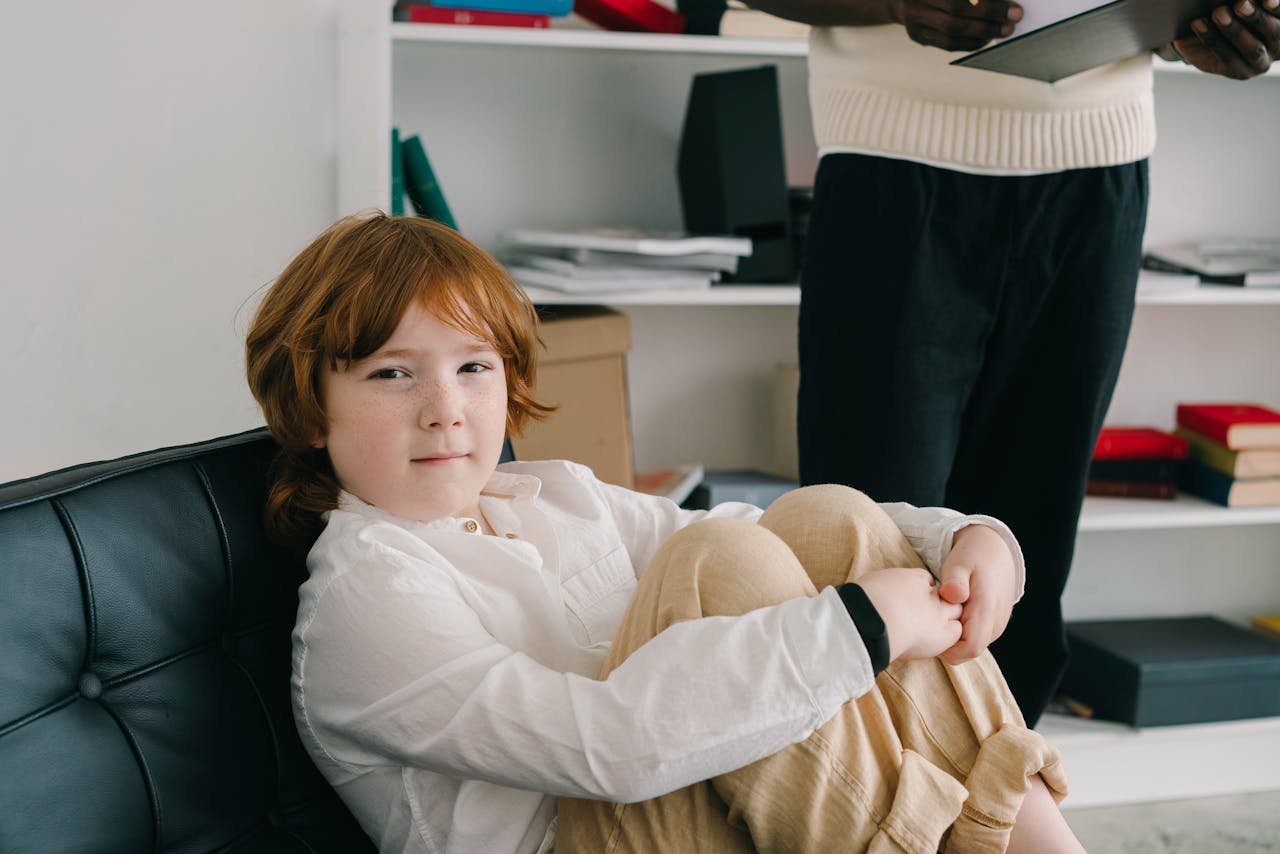
Kids see the world through a completely different lens than adults do. They might not always be able to say exactly how they're feeling, but that doesn't mean they're immune to anxiety, sadness, big emotions, or tricky behaviours. Lately, people are waking up to how important kids' mental health really is, and it's becoming clear that getting them help early on can change their lives for the better. Child therapy gives them a safe place to sort out their feelings, learn how to handle tough times, and get stronger for whatever comes next.
What Is Child Therapy?
A therapist providing Child therapy in Harrogate discusses how giving kids and teens the kind of support that fits their stage of life Is not like adult therapy as kids usually don’t just sit and talk. Instead, therapists bring in things like play, drawing, storytelling, or games. That way, kids can open in a way that feels easy and natural to them. Good child therapy doesn’t just listen to the words, they pay close attention to a child’s actions, body language, and the way they interact with others. You end up getting a much clearer picture of what’s going on inside, even if the child struggles to put it into words. If you’re thinking about child therapy in Harrogate, make sure you find someone with the right training and experience. The best therapists shape each session around your child’s age, personality, and whatever they’re dealing with.
How Therapy Helps Children
Understanding and managing emotions is one of the primary purposes of therapy in children. This allows the child to be able to recognize and control his or her emotions through counselling sessions.
A therapist can assist a child in managing:
- Anxiety and fear
- Emergency regulation
- Self-confidence and self-respect
- Social skills
- Difficult events, such as grief and loss
All these are important in the present and will ensure that the child has an emotionally healthy future ahead.
The Role of Parents and Caregivers

It should be noted that child psychotherapy usually becomes more successful if parents become involved in it as well. Of course, all therapy sessions will be mainly dedicated to a child; however, in some cases, therapists may collaborate with parents to share strategies that are to be implemented while staying at home.
A positive outcome is possible to achieve when all spheres of a child’s life become regulated successfully. Parents will learn a lot about the requirements their children have. This collaboration will facilitate the process considerably. It should be admitted that open and honest communication plays a crucial role.
Creating a Safe and Supportive Environment
Another important component of therapy is the setting in which therapy occurs. The children should feel safe, understood, and accepted without being judged to be able to share with the therapist. A good therapist creates this atmosphere through building trust and tailoring treatment for everyone. The sessions are carefully structured to ensure that the children never go beyond their limits. As a result, in time, children start sharing their thoughts and experiences freely.
When to Consider Child Therapy
Parents are bound to ask the question: When should I seek help? There is no specific answer, but in most cases, once things have not improved after several weeks or if they start to impact your life, that would be the right time to seek therapy.
Seeking therapy doesn't necessarily mean that there is something wrong all it means is being a proactive parent taking care of your children emotionally. In most cases, it takes only a little effort at the start.
In Conclusion
Child therapy is an invaluable aid in ensuring that children cope with the difficult experiences they face during their development stages. This is achieved through provision of a platform where children can share their feelings and gain useful coping mechanisms. Therapy can be a very rewarding experience for those looking for ways to empower their children. Children who are exposed to child therapy have a greater chance of becoming confident and resilient and understanding themselves better.
|